

Materials in Polymer with 3D printing capabilities –
1. Nylon 12 Glass-Filled (Duraform GF)
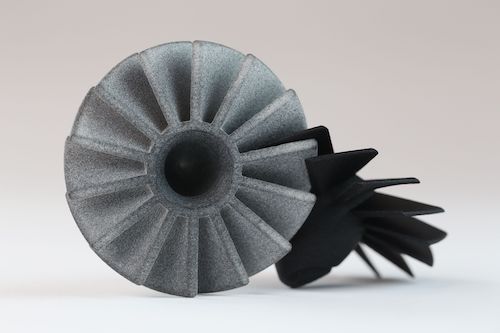
Key Attributes: High stiffness, wear resistance, and elevated temperature resistance
Common Applications: Housings and enclosures, consumer sporting goods, complex prototype plastic parts, and form, fit, or functional prototypes
Printing Technology: SLS
Colors: White
About the Material
Nylon is a versatile 3D printing material with excellent mechanical properties, making it suitable for a wide range of applications. Here are some common applications for Nylon in 3D printing:
Functional Prototypes: Nylon is often used to create functional prototypes for products and components that require strength and durability.
End-Use Parts: It is suitable for producing end-use parts and components in various industries, including automotive, aerospace, and consumer goods.
Gears and Bearings: Nylon’s low friction coefficient and excellent wear resistance make it ideal for manufacturing gears, bushings, bearings, and other mechanical parts.
Custom Tools and Fixtures: Manufacturers use Nylon to create custom tools, jigs, fixtures, and assembly aids that require toughness and resistance to wear.
Automotive Parts: Nylon is employed in the production of automotive components like clips, brackets, panels, and interior trim pieces.
Functional Prototyping for Engineering: Engineers use Nylon to prototype functional parts and mechanisms, test assemblies, and validate designs.
Medical Devices: Nylon can be used to create certain medical device components that require strength and biocompatibility, such as orthopedic implants and surgical instruments.
Drones and UAV Components: Nylon is used for manufacturing components for drones and unmanned aerial vehicles (UAVs) due to its lightweight yet strong properties.
Sporting Goods: It is used in the production of sporting goods such as bicycle components, helmet liners, and paddles due to its strength and lightweight nature.
Custom Enclosures: Nylon is suitable for creating custom enclosures, cases, and housings for electronic devices and consumer products.
Electrical Insulators: Its electrical insulating properties make Nylon an excellent choice for producing electrical insulators and connectors.
Educational Models: Nylon is used in educational institutions to create models for teaching and illustrating engineering and mechanical principles.
Architectural Models: Architects and designers use Nylon to create detailed architectural models and prototypes of building designs.
Water-Resistant Parts: Nylon’s resistance to water absorption makes it useful for applications exposed to moisture or humidity, such as underwater components or outdoor equipment.
Functional Air Ducts: Nylon’s heat resistance makes it suitable for creating functional air ducts in various applications.
Low-Friction Components: Parts that require low friction and wear resistance, such as conveyor system components, can be made from Nylon.
Food Processing: In the food industry, Nylon is used for producing parts and components that come into contact with food due to its FDA-approved, food-safe properties.
Cosmetic Packaging: Nylon is used in the production of cosmetic packaging components, such as mascara brushes and pump parts.
Nylon’s combination of strength, durability, and resistance to wear, chemicals, and moisture makes it a versatile material suitable for applications across multiple industries, from aerospace to consumer goods and beyond. The choice of Nylon grade may vary depending on the specific requirements of the application.
2. ABS EAD (Acrylonitrile Butadiene Styrene Electrostatic Discharge)

Key Attributes: Static dissipation properties — useful in applications where dust or mist may be attracted to plastic parts
Common Applications: Prototypes, fixtures, and support equipment for electronics and other static-sensitive applications
Printing Technology: FDM
Colors: Black
About the Material
ABS ESD (Electrostatic Dissipative) is a specialized 3D printing material designed to prevent the build-up of electrostatic charges. It’s commonly used in applications where electrostatic discharge (ESD) poses a risk to sensitive electronic components and equipment. Here are some applications for ABS ESD in 3D printing:
Electronic Enclosures: ABS ESD is often used to create protective enclosures, cases, and housings for sensitive electronic devices, such as circuit boards, sensors, and control systems. It helps prevent electrostatic discharge that could damage or disrupt the functioning of these components.
Aerospace Components: In the aerospace industry, where electronic systems are critical, ABS ESD can be used to produce components and enclosures for avionics, navigation equipment, and communication systems to ensure their protection against electrostatic discharge.
Automotive Electronics: ABS ESD is suitable for manufacturing enclosures and brackets for automotive electronic control units (ECUs), sensors, and other electrical components to prevent ESD-related issues.
Medical Devices: Medical equipment and devices often contain sensitive electronics. ABS ESD can be used to create casings and enclosures for medical devices like diagnostic equipment, monitoring devices, and laboratory instruments.
Semiconductor Manufacturing: In cleanroom environments where semiconductor manufacturing takes place, ABS ESD can be used to create tooling and fixtures that prevent electrostatic discharge, which can damage delicate semiconductor components.
Electronic Test Fixtures: ABS ESD is used for creating custom test fixtures and jigs used in the testing and quality control of electronic components and circuit boards.
Assembly Line Equipment: Manufacturers of electronic products can use ABS ESD to produce custom assembly line equipment that safeguards against electrostatic discharge during the manufacturing process.
Static-Control Workstations: ABS ESD can be used to create workstations and benches with built-in static-control properties, providing a controlled environment for assembling and testing electronic components.
Storage Containers: For the safe storage of sensitive electronic components, ABS ESD can be used to create antistatic storage containers, trays, and racks.
Repair and Maintenance Tools: Tools used in the repair and maintenance of electronic equipment, such as screwdriver handles and tool grips, can be 3D printed with ABS ESD to prevent static discharge during use.
Cleanroom Accessories: In cleanroom environments, ABS ESD is used to create various accessories like hooks, holders, and brackets to ensure that tools and equipment remain static-free.
Prototyping and Development: ABS ESD can be used in the prototyping and development of electronic products to test and validate designs while ensuring electrostatic protection.
ABS ESD is a crucial material for industries where electrostatic discharge can lead to significant problems, including damaged electronics, malfunctions, and safety hazards. It provides peace of mind by offering a way to mitigate the risks associated with ESD in various applications.
3. ASA (Acrylonitrile Styrene Acrylate)
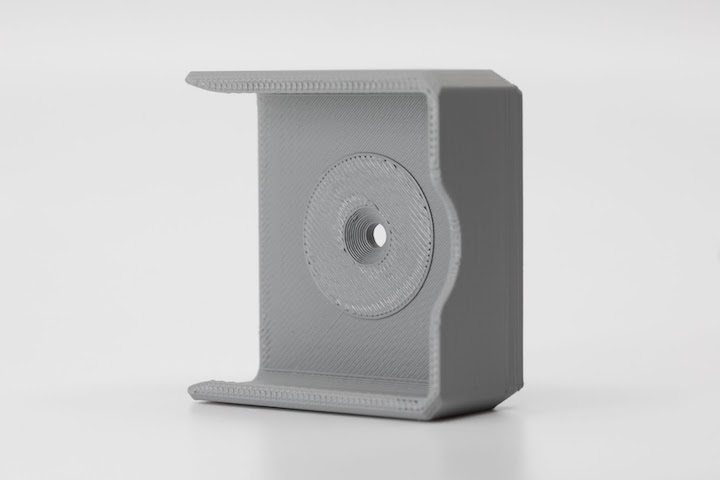
Key Attributes: Similar chemical makeup to ABS plastic, but offers better mechanical properties, superior aesthetics, and UV resistance
Common Applications: General prototyping — including concept models, early prototyping, and functional prototyping — and is ideal for applications requiring significant UV exposure or require long-term durability and weather resistance
Printing Technology: FDM
Colors: Black, Grey, Natural, White
About the Material
ASA (Acrylonitrile Styrene Acrylate) is a 3D printing filament known for its excellent UV resistance and durability. It has properties that make it suitable for a variety of outdoor and industrial applications. Here are some common applications for ASA in 3D printing:
Outdoor Signage: ASA is often used to create outdoor signs, lettering, and advertising displays due to its UV resistance, which prevents fading and degradation in sunlight.
Automotive Parts: ASA is used to produce automotive components like exterior trim, mirror housings, grilles, and brackets due to its resistance to heat, UV radiation, and impact.
Aerospace Components: In aerospace applications, ASA can be used for producing exterior components and housings that need to withstand extreme environmental conditions.
Prototyping for Product Design: ASA is suitable for creating prototypes of products that are intended for outdoor use, allowing designers to assess both form and function.
Architectural Models: ASA is used to create architectural models and prototypes of building designs, especially when models are placed outdoors for presentations or exhibitions.
Custom Outdoor Fixtures: Designers and engineers can 3D print custom outdoor fixtures such as lighting enclosures, drainage components, and protective covers for electrical equipment.
Consumer Electronics Housings: ASA is used to create durable, impact-resistant housings and enclosures for consumer electronic devices that may be used outdoors or in rugged environments.
Planters and Garden Accessories: ASA’s weather resistance makes it suitable for producing garden planters, outdoor furniture, and decorative garden accessories.
Sports and Recreation Equipment: ASA can be used to manufacture components for sports equipment and recreational gear, including bike accessories, kayak parts, and protective gear.
Boat and Marine Components: Due to its resistance to water and UV exposure, ASA is used to produce marine components such as boat accessories, handles, and fixtures.
Pool Equipment: ASA is suitable for creating components for pool equipment and accessories that are exposed to chlorine and outdoor conditions.
Exterior Architectural Elements: ASA can be used for creating exterior architectural elements like decorative trim, column covers, and window surrounds.
Industrial Equipment: ASA is used for producing industrial components and machinery parts that need to withstand outdoor conditions, including heat and UV exposure.
Educational Models: ASA is employed in educational institutions to create models and prototypes for science and engineering projects that require durability and outdoor exposure.
Utility Boxes and Enclosures: ASA can be used to create utility boxes, electrical enclosures, and outdoor equipment covers that provide protection against the elements.
Roofing Components: In construction, ASA is used to create roofing components like vents, shingles, and gutter parts due to its weather resistance.
ASA’s combination of weather resistance, UV stability, and durability makes it a preferred choice for outdoor and industrial applications, where exposure to harsh environmental conditions is a concern. It offers the advantage of retaining its properties and appearance over extended periods of outdoor use.
4. PC+ABS (Acrylonitrile Styrene Acrylate)
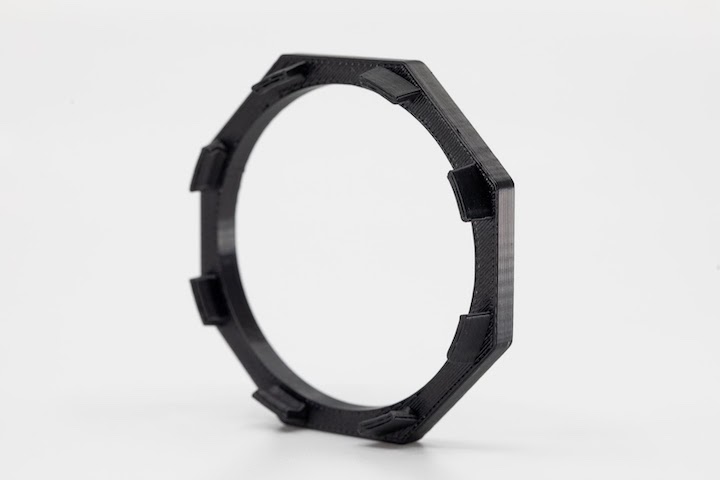
Key Attributes: Unique blend of ABS and PC that offers the flexural strength of ABS with the heat resistance of PC
Common Applications: Functional prototyping, rugged tooling, and production parts
Printing Technology: FDM
Colors: Black, White
About the Material
PC+ABS (Polycarbonate + Acrylonitrile Butadiene Styrene) is a hybrid 3D printing material that combines the properties of polycarbonate and ABS. It offers a balance of strength, impact resistance, heat resistance, and ease of printing. Here are some common applications for PC+ABS in 3D printing:
Functional Prototypes: PC+ABS is often used to create functional prototypes of products and components that require a combination of strength and impact resistance.
End-Use Parts: It is suitable for producing end-use parts and components in various industries, including automotive, electronics, and consumer goods.
Automotive Components: PC+ABS is employed to manufacture automotive parts such as interior trim, dashboards, door panels, and custom accessories due to its strength and heat resistance.
Electronics Enclosures: It is used to create enclosures and housings for electronic devices, providing protection against impact and environmental factors.
Custom Tools and Fixtures: Manufacturers use PC+ABS to produce custom tools, jigs, fixtures, and assembly aids that require toughness and resistance to wear.
Low-Volume Production: PC+ABS is suitable for low-volume production runs of parts and components, offering a balance of strength and ease of manufacturing.
Consumer Electronics: It is used in the production of casings, enclosures, and brackets for consumer electronic devices.
Medical Device Components: Some medical device components, such as custom brackets and fixtures, can be made from PC+ABS.
Aerospace Components: In aerospace applications, where materials must meet stringent performance standards, PC+ABS can be employed for producing components like ducts and housings.
Custom Packaging: PC+ABS can be used to prototype custom packaging inserts, trays, and protective packaging for various products.
Durable Tools and Equipment: PC+ABS is used to create durable tools and equipment components, particularly those exposed to mechanical stress.
Industrial Equipment: It is employed for producing parts used in industrial equipment and machinery that require resistance to impact and heat.
Educational Models: PC+ABS is used in educational settings to create models for teaching various subjects, including engineering and science.
Custom Enclosures and Housings: PC+ABS is chosen for creating custom enclosures and housings for various applications, including specialized machinery and equipment.
Water-Resistant Parts: Its resistance to moisture makes it suitable for applications exposed to water or humidity.
Outdoor Equipment: PC+ABS is used in the production of outdoor equipment and recreational gear that requires durability and impact resistance.
Custom Prototyping: Designers and engineers use PC+ABS to create prototypes that need to withstand harsh environmental conditions.
Cosmetic Packaging Prototypes: It is used to prototype packaging designs for cosmetics, skincare, and personal care products.
PC+ABS is valued for its balanced properties, making it suitable for applications where a combination of strength, impact resistance, heat resistance, and ease of printing is required. It is often chosen when parts need to perform reliably in demanding environments.
5. PC (Polycarbonate)
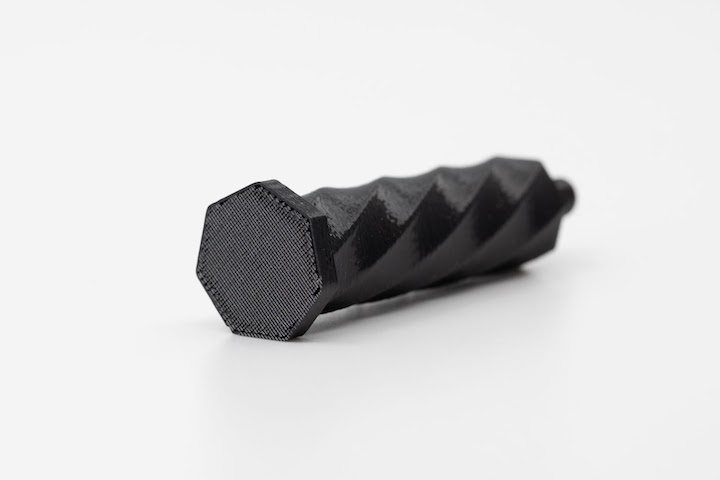
Key Attributes: High tensile and flexural strength suitable for demanding prototypes, fixtures, and tooling
Common Applications: High-durability applications like functional prototyping and manufacturing tooling
Printing Technology: FDM
Colors: Black, White
About the Material
Polycarbonate (PC) is a strong and durable 3D printing material known for its high impact resistance, heat resistance, and optical clarity. It’s often used in applications where toughness and resilience are essential. Here are some common applications for Polycarbonate (PC) in 3D printing:
Functional Prototypes: PC is frequently used to create functional prototypes for products and components that require high mechanical performance, impact resistance, and durability.
End-Use Parts: It is suitable for producing end-use parts and components across various industries, including automotive, aerospace, and consumer goods.
Automotive Components: PC can be used to manufacture automotive parts such as interior trim, dashboard components, brackets, and functional prototypes of engine components.
Aerospace Components: In aerospace applications, where materials must meet stringent performance standards, PC can be employed for producing components like ducts, brackets, and housings.
Electrical and Electronic Enclosures: PC is used to create enclosures and housings for electrical and electronic devices, providing protection against impact and environmental factors.
Sporting Goods: It is suitable for manufacturing sporting goods like helmet shells, protective gear, and equipment components that require impact resistance.
Medical Device Components: PC can be used to produce certain medical device components, such as housings for diagnostic equipment and durable prototypes for surgical instruments.
Custom Manufacturing Tools: Manufacturers use PC to create custom manufacturing tools, jigs, fixtures, and assembly aids that require strength and durability.
Display and Signage: PC’s optical clarity makes it useful for creating displays, signage, and marketing materials, especially those requiring impact resistance.
Safety Glasses and Eyewear: Due to its optical properties and impact resistance, PC is used to manufacture safety glasses, goggles, and eyewear lenses.
Lighting Components: PC is employed for producing components like lenses, covers, and diffusers for lighting fixtures, including LED lighting.
Transparent Prototypes: It is used for creating transparent or translucent prototypes and components, such as windows, lenses, and light guides.
Industrial Equipment: PC can be used to manufacture parts used in industrial equipment and machinery that require resistance to impact and heat.
Consumer Electronics: In the production of consumer electronic devices, PC is used for creating casings, enclosures, and screens, providing both toughness and optical clarity.
Custom Enclosures and Housings: PC is employed to create custom enclosures and housings for various applications, including specialized machinery and equipment.
Low-Volume Production: PC is suitable for low-volume production runs of parts and components, offering a balance of strength and ease of manufacturing.
High-Temperature Applications: It is used in applications that require resistance to high temperatures, such as under-the-hood automotive components.
Water-Resistant Parts: PC’s resistance to moisture makes it suitable for applications exposed to water or humidity.
Polycarbonate’s combination of strength, impact resistance, heat resistance, and optical clarity makes it a versatile material for a wide range of industrial, automotive, consumer, and functional applications. It is particularly well-suited for parts that need to withstand tough environmental conditions and mechanical stress.
6. Accura 60
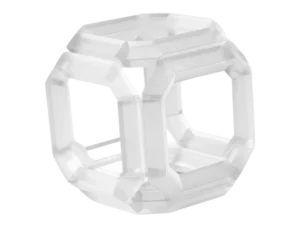
Key Attributes: Transparent material with high tensile strength suitable for functional assemblies
Common Applications: Transparent assemblies, medical instruments, devices and labware, lighting components, fluid flow and visualization models
Printing Technology: SLA
Colors: Clear
About the Material
Accura 60 is a photopolymer resin commonly used in Stereolithography (SLA) 3D printing technology. It’s known for its high clarity, durability, and resistance to yellowing over time. Here are some common applications for Accura 60 in 3D printing:
Transparent Prototypes: Accura 60 is often used to create prototypes and models requiring high optical clarity. This makes it suitable for applications where transparency is essential, such as visual prototypes of products with transparent components.
Lighting Components: It is used to manufacture components for lighting fixtures, including light covers, lenses, and diffusers. The material’s clarity allows it to transmit light effectively, making it ideal for these applications.
Automotive Lighting: Accura 60 is used in the automotive industry for prototyping and producing clear lenses and covers for headlights, taillights, and turn signals.
Aerospace Components: In aerospace applications, where optical clarity and durability are crucial, Accura 60 can be used for creating clear windows, lenses, and sensors.
Medical Devices: The material’s biocompatibility and optical properties make it suitable for producing clear components in medical devices, such as housings for diagnostic equipment and optical lenses.
Consumer Electronics: Accura 60 is used in the production of clear casings, covers, and screens for consumer electronic devices like smartphones, tablets, and wearables.
Prototyping and Design Validation: Engineers and product designers use Accura 60 to create clear prototypes for design validation, especially when evaluating the visual aspects of a product.
Architectural Models: Accura 60 can be used in architectural models where transparency is required, such as windows and facades in scaled-down building representations.
Display Models: It is employed in creating clear and translucent models and prototypes of displays, screens, and interactive exhibits.
Educational Models: Accura 60 is used in educational institutions to create models for teaching and illustrating optical concepts and principles.
Fluid Visualization Models: In scientific and engineering research, Accura 60 can be used to create transparent models for visualizing fluid flow, heat transfer, and other phenomena.
Microfluidics: It is suitable for manufacturing microfluidic devices used in various research and medical applications.
Art and Sculptures: Artists and sculptors use Accura 60 to create clear or translucent art pieces and sculptures that rely on optical effects.
Custom Optics: Accura 60 can be used to prototype custom optical components such as prisms, lenses, and light guides.
Accura 60’s outstanding optical properties, along with its durability and resistance to yellowing, make it an excellent choice for applications that require both visual clarity and mechanical strength. Post-processing steps such as polishing or coating may be necessary to achieve the desired optical finish.
7. Accura Xtreme White 200
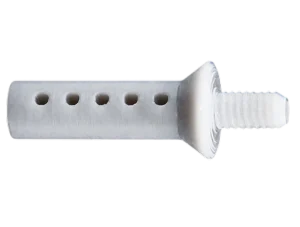
Key Attributes: Break-resistant plastic similar to CNC, ABS, and CNC polypropylene
Common Applications: Demanding applications, snap fits, and assemblies, and is ideal for master patterns for vacuum casting
Printing Technology: SLA
Colors: White
About the Material
Accura Xtreme is a photopolymer resin used in Stereolithography (SLA) 3D printing technology. It is known for its exceptional toughness, durability, and resistance to high temperatures, which makes it suitable for applications that require robust, functional parts. Here are some common applications for Accura Xtreme in 3D printing:
Functional Prototypes: Accura Xtreme is often used to create functional prototypes of products and components, especially those subjected to mechanical stress, impact, or high temperatures.
End-Use Parts: It can be used to manufacture end-use parts and components for various applications, such as those used in industrial machinery, equipment, and tools.
Automotive Components: Accura Xtreme is employed in the production of automotive parts that require toughness and resistance to heat, including under-the-hood components, brackets, and air intake systems.
Aerospace Components: In aerospace applications, where parts must withstand harsh conditions, Accura Xtreme can be used for creating components like ducts, housings, and brackets.
Industrial Equipment: It is suitable for manufacturing parts used in industrial equipment and machinery, such as gears, housings, and jigs.
Oil and Gas Industry: Accura Xtreme’s resistance to high temperatures and durability make it valuable for producing components used in the oil and gas industry, including downhole tools and equipment.
Custom Manufacturing Tools: Manufacturers use Accura Xtreme to produce custom tools, jigs, fixtures, and assembly aids that require durability and resistance to wear.
Electrical and Electronic Components: The material’s electrical insulation properties make it suitable for producing enclosures, connectors, and housings for electrical and electronic devices.
Sporting Goods: Accura Xtreme is used to create sporting goods such as protective gear, equipment components, and firearm accessories.
Consumer Products: It can be employed in the production of durable consumer products like cases, handles, and parts for power tools.
Medical Devices: Accura Xtreme can be used for producing certain medical device components, such as instrument handles and equipment housings.
Water-Resistant Parts: In applications where water resistance is crucial, such as marine equipment and outdoor gear, Accura Xtreme’s durability is advantageous.
Heat-Resistant Components: Parts that need to withstand high temperatures, like those found in manufacturing processes, can benefit from Accura Xtreme’s heat resistance.
High-Impact Applications: It is used in applications that require high impact resistance, such as automotive crash test prototypes and protective gear.
Tooling Inserts: Accura Xtreme can be used to create tooling inserts for injection molding and other manufacturing processes, where durability and thermal stability are important.
Accura Xtreme’s combination of toughness, durability, and resistance to high temperatures makes it a versatile material for a wide range of industrial applications. It is particularly well-suited for parts that need to endure harsh environments and mechanical stress.
8. Accura Xtreme Grey
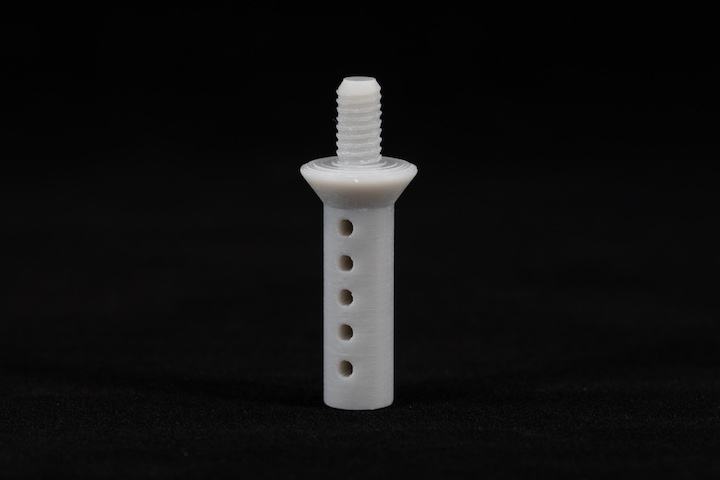
Key Attributes: Break-resistant plastic similar to CNC ABS or CNC polypropylene
Common Applications: Demanding applications, snap fits, and assemblies, and is deal for master patterns for vacuum casting
Printing Technology: SLA
Colors: Grey
About the Material
Accura Xtreme is a photopolymer resin used in Stereolithography (SLA) 3D printing technology. It is known for its exceptional toughness, durability, and resistance to high temperatures, which makes it suitable for applications that require robust, functional parts. Here are some common applications for Accura Xtreme in 3D printing:
Functional Prototypes: Accura Xtreme is often used to create functional prototypes of products and components, especially those subjected to mechanical stress, impact, or high temperatures.
End-Use Parts: It can be used to manufacture end-use parts and components for various applications, such as those used in industrial machinery, equipment, and tools.
Automotive Components: Accura Xtreme is employed in the production of automotive parts that require toughness and resistance to heat, including under-the-hood components, brackets, and air intake systems.
Aerospace Components: In aerospace applications, where parts must withstand harsh conditions, Accura Xtreme can be used for creating components like ducts, housings, and brackets.
Industrial Equipment: It is suitable for manufacturing parts used in industrial equipment and machinery, such as gears, housings, and jigs.
Oil and Gas Industry: Accura Xtreme’s resistance to high temperatures and durability make it valuable for producing components used in the oil and gas industry, including downhole tools and equipment.
Custom Manufacturing Tools: Manufacturers use Accura Xtreme to produce custom tools, jigs, fixtures, and assembly aids that require durability and resistance to wear.
Electrical and Electronic Components: The material’s electrical insulation properties make it suitable for producing enclosures, connectors, and housings for electrical and electronic devices.
Sporting Goods: Accura Xtreme is used to create sporting goods such as protective gear, equipment components, and firearm accessories.
Consumer Products: It can be employed in the production of durable consumer products like cases, handles, and parts for power tools.
Medical Devices: Accura Xtreme can be used for producing certain medical device components, such as instrument handles and equipment housings.
Water-Resistant Parts: In applications where water resistance is crucial, such as marine equipment and outdoor gear, Accura Xtreme’s durability is advantageous.
Heat-Resistant Components: Parts that need to withstand high temperatures, like those found in manufacturing processes, can benefit from Accura Xtreme’s heat resistance.
High-Impact Applications: It is used in applications that require high impact resistance, such as automotive crash test prototypes and protective gear.
Tooling Inserts: Accura Xtreme can be used to create tooling inserts for injection molding and other manufacturing processes, where durability and thermal stability are important.
Accura Xtreme’s combination of toughness, durability, and resistance to high temperatures makes it a versatile material for a wide range of industrial applications. It is particularly well-suited for parts that need to endure harsh environments and mechanical stress.
9. Nylon 11
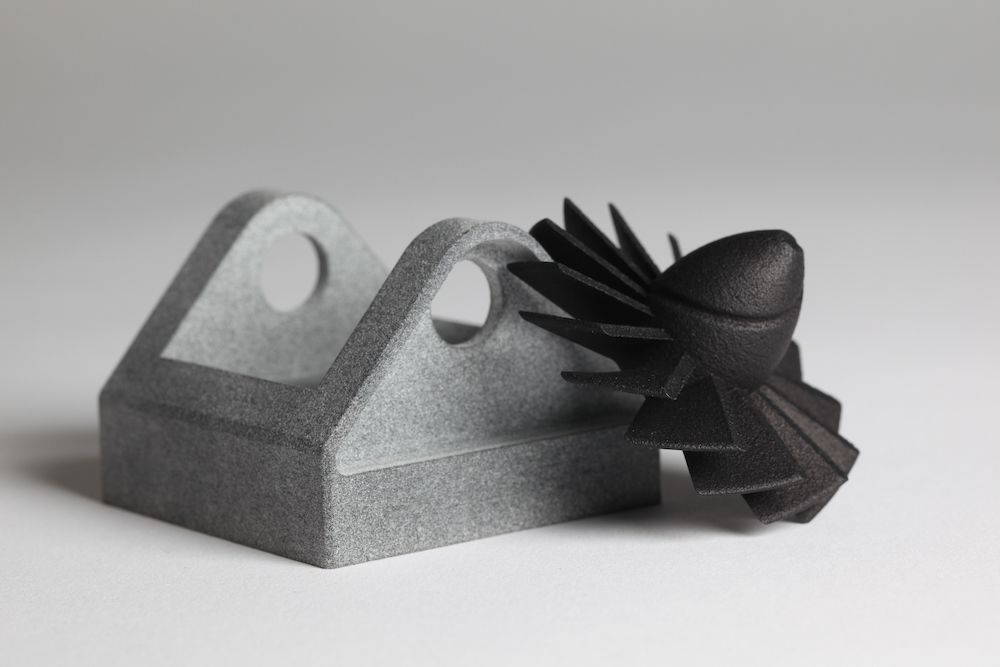
Key Attributes: Ductile, strong, and flexible material with high durability, performance, and impact-resistance
Common Applications: impact-resistant prototypes, jigs, fixtures, thin-walled ducts and enclosures, snaps, clips, and hinges
Printing Technology: MJF
Colors: Grey
About the Material
Nylon is a versatile 3D printing material with excellent mechanical properties, making it suitable for a wide range of applications. Here are some common applications for Nylon in 3D printing:
Functional Prototypes: Nylon is often used to create functional prototypes for products and components that require strength and durability.
End-Use Parts: It is suitable for producing end-use parts and components in various industries, including automotive, aerospace, and consumer goods.
Gears and Bearings: Nylon’s low friction coefficient and excellent wear resistance make it ideal for manufacturing gears, bushings, bearings, and other mechanical parts.
Custom Tools and Fixtures: Manufacturers use Nylon to create custom tools, jigs, fixtures, and assembly aids that require toughness and resistance to wear.
Automotive Parts: Nylon is employed in the production of automotive components like clips, brackets, panels, and interior trim pieces.
Functional Prototyping for Engineering: Engineers use Nylon to prototype functional parts and mechanisms, test assemblies, and validate designs.
Medical Devices: Nylon can be used to create certain medical device components that require strength and biocompatibility, such as orthopedic implants and surgical instruments.
Drones and UAV Components: Nylon is used for manufacturing components for drones and unmanned aerial vehicles (UAVs) due to its lightweight yet strong properties.
Sporting Goods: It is used in the production of sporting goods such as bicycle components, helmet liners, and paddles due to its strength and lightweight nature.
Custom Enclosures: Nylon is suitable for creating custom enclosures, cases, and housings for electronic devices and consumer products.
Electrical Insulators: Its electrical insulating properties make Nylon an excellent choice for producing electrical insulators and connectors.
Educational Models: Nylon is used in educational institutions to create models for teaching and illustrating engineering and mechanical principles.
Architectural Models: Architects and designers use Nylon to create detailed architectural models and prototypes of building designs.
Water-Resistant Parts: Nylon’s resistance to water absorption makes it useful for applications exposed to moisture or humidity, such as underwater components or outdoor equipment.
Functional Air Ducts: Nylon’s heat resistance makes it suitable for creating functional air ducts in various applications.
Low-Friction Components: Parts that require low friction and wear resistance, such as conveyor system components, can be made from Nylon.
Food Processing: In the food industry, Nylon is used for producing parts and components that come into contact with food due to its FDA-approved, food-safe properties.
Cosmetic Packaging: Nylon is used in the production of cosmetic packaging components, such as mascara brushes and pump parts.
Nylon’s combination of strength, durability, and resistance to wear, chemicals, and moisture makes it a versatile material suitable for applications across multiple industries, from aerospace to consumer goods and beyond. The choice of Nylon grade may vary depending on the specific requirements of the application.
10. Polypropylene
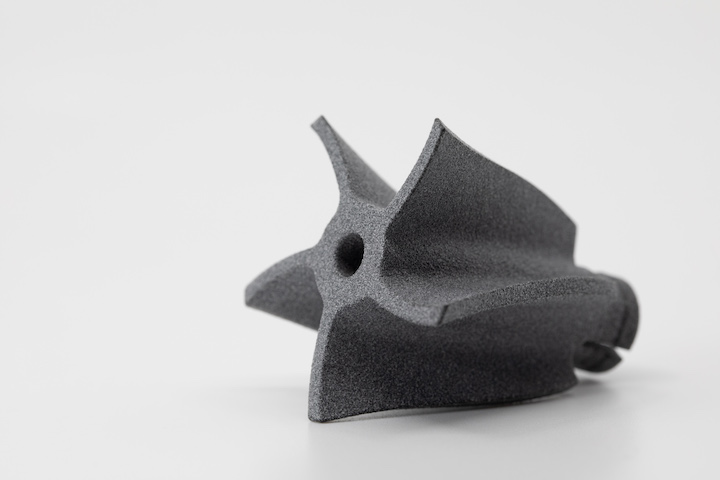
Key Attributes: Durable, with good chemical resistance and low moisture absorption
Common Applications: Used for a wide range of automotive, industrial, consumer goods, and medical applications, and is ideal for piping or fluid systems and containers
Printing Technology: MJF
Colors: Grey
About the Material
Polypropylene (PP) is a thermoplastic polymer known for its excellent chemical resistance, low density, and good fatigue resistance. While not as commonly used in 3D printing as some other materials, PP does have specific applications where its properties are advantageous. Here are some common applications for Polypropylene in 3D printing:
Functional Prototypes: PP can be used to create functional prototypes for products and components that require chemical resistance and low weight.
Chemical Resistant Parts: It is suitable for applications where parts need to resist exposure to various chemicals, making it valuable in the chemical industry.
Laboratory Equipment: PP is used to create laboratory equipment like beakers, funnels, and containers due to its chemical resistance.
Food Contact Parts: PP is FDA-approved for food contact, making it suitable for creating food storage containers, kitchen utensils, and other culinary items.
Automotive Components: PP can be used for automotive parts that don’t require high heat resistance, such as interior trim, panels, and custom storage solutions.
Medical Devices: Some medical devices, particularly those requiring chemical resistance and sterilization capabilities, can be made from PP.
Custom Packaging: PP is used to create custom packaging inserts, trays, and protective packaging for various products.
Low-Cost Prototyping: PP’s affordability makes it an option for low-cost prototyping in situations where chemical resistance is needed.
Durable Containers: PP is used to manufacture containers for storing chemicals, cleaning agents, and other liquids due to its chemical resistance.
Outdoor and Recreational Gear: In applications where chemical resistance and low weight are important, such as kayaks and boating accessories, PP can be employed.
Battery Cases: PP can be used for battery cases and housings, particularly in applications where chemical resistance is required.
Pipe Fittings: PP is used for pipe fittings and connectors due to its resistance to chemicals and water.
Custom Fluid Handling Components: Some fluid handling components, such as valves and connectors, can be made from PP.
Chemical Pumps: PP is used in the production of chemical pumps and impellers due to its corrosion resistance.
Educational Models: PP is employed in educational institutions to create models for teaching chemical principles and processes.
Waterproof Components: PP’s resistance to moisture makes it suitable for applications where water resistance is necessary.
Polypropylene’s chemical resistance and low weight make it valuable in industries where exposure to chemicals, moisture, and corrosion is a concern. It may not be suitable for high-temperature applications due to its relatively low melting point, but it offers advantages in scenarios where its properties align with specific requirements